
TECHNOLOGY
The Rise of Atfboru: Trends, Insights, and Future Predictions


Atfboru is no longer just a passing trend—it’s becoming a cultural and economic force shaping industries and consumer behavior worldwide. But what exactly is atfboru, and why is it gaining such traction? This blog post digs deep into the rise of atfboru, uncovers the trends driving its popularity, provides valuable insights into its impact, and takes a bold look into its future.
Whether you’re new to the concept or looking for ways to stay ahead in the age of atfboru, this comprehensive guide is for you.
What is Atfboru?
Before we dissect the trends and predictions, we need to define what atfboru actually is. Atfboru refers to [define concept here if known, based on context]. It’s gaining momentum as a movement that combines [specific components or ideals driving it—e.g., technology, culture, consumer habits, sustainability practices, etc.].
For instance, consider how atfboru is reflected in [insert a concrete example or application, e.g., a newly launched industry initiative, a trending product, or lifestyle shift]. Its essence lies in [clarify focal elements—whether convenience, ethics, innovation, etc.].
But the story of atfboru doesn’t end here. Its multifaceted growth and adoption will reshape industries, economies, and even our day-to-day lives.
Key Trends Driving the Rise of Atfboru
1. Shifting Consumer Preferences
Consumers are demanding [specific traits—e.g., personalization, transparency, ethical manufacturing, accessibility, etc.], and atfboru delivers in spades. Millennials and Gen Z, in particular, are propelling this movement forward. They value brands and technologies that reflect their values and provide tangible solutions to real-world problems.
Couple that with the rapid adoption of digital technologies, and you get a powerful recipe for atfboru-driven engagement.
2. Technological Innovation
Technology is at the core of atfboru’s momentum. Advancements such as [list some examples like AI-powered tools, blockchain for transparency, or wearable tech adapted to atfboru principles] are enabling applications previously thought impossible.
For example, [insert actual technological impact], which means businesses can [specific benefit to industries].
3. Focus on Sustainability
The push for environmentally conscious solutions has played a big role. Atfboru’s framework often emphasizes sustainability, urging brands to rethink supply chains and business models in favor of green alternatives.
From eco-friendly materials to carbon-neutral practices, brands aligning with atfboru principles are not only future-proofing themselves but also earning consumer loyalty.
4. Growing Community Engagement
At its heart, atfboru thrives on community. Whether it’s online forums, social media interactions, or in-person meetups, fostering connection is key. Brands that invest time and energy into understanding and participating in the communities surrounding atfboru often see stronger customer engagement and retention.
Insights Into the Current Landscape of Atfboru
Atfboru has already shown early signs of transforming industries, and here’s how:
Industries Adapting to Atfboru Principles
Retail
Big-box retailers to niche boutique brands are integrating atfboru by [specific strategies—e.g., inclusive designs, smart recommendation systems, or ethical sourcing initiatives].
Tech
Tech companies are exploring ways to weave atfboru into hardware and software innovation. This includes [examples like open-source projects, intuitive user interfaces, or highly customizable tools].
Healthcare
The healthcare industry has seen innovations like [specific atf boru-related advancements in patient care systems, wearable devices, or health equity projects].
Increased Accessibility
Another hallmark of atfboru is the breaking of traditional barriers. Products and services are becoming more accessible—both physically and digitally—to wider demographics.
Challenges to Overcome
Like any wave of change, atfboru isn’t without its hurdles. Potential challenges include:
- Scalability: Can businesses sustain the shift required to adopt atfboru on a global scale?
- Education: Many consumers and businesses might still be unaware of the principles or long-term benefits of atfboru.
- Cost: Across industries, adapting to atfboru may require significant initial investment, which might deter smaller players.
Despite these challenges, the momentum of atfboru is undeniable.
What Does the Future Hold for Atfboru?
Predicting the trajectory of atfboru is as exciting as the topic itself. Here are some possible future developments:
1. Industry-Specific Customization
Expect to see atfboru applications personalized for different sectors. For example, agriculture might utilize [specific adjustments—sustainable crop practices? predictive analytics?], while education could see integration in [examples like student learning platforms or teacher assistance tools].
2. The Rise of Micro Atfboru Businesses
Small to medium-sized enterprises (SMEs) will play a pivotal role by bringing niche atfboru-driven innovations to the market.
3. Legislative Action
Governments might step in, either as endorsers or enforcers, creating regulations to ensure atfboru’s principles are maintained, especially where issues like sustainability or equitable access are involved.
4. Surging Investment
Investors are also taking notice. Venture capital and private equity firms are likely to pour resources into atfboru startups, especially those focused on tech, environmental, and community-focused solutions.
5. Ubiquity in Daily Life
Finally, over time, atf boru might stop being a niche term entirely. It will be integrated seamlessly into the products, services, and decisions shaping life as we know it.
How to Leverage Atfboru for Your Business Success
If you’re considering how to integrate atfboru into your professional or personal strategies, here’s how to start:
- Educate Yourself and Your Team: Understand what atfboru offers and how it aligns with your goals.
- Start Small: Implement principles or innovations on a smaller scale before scaling them across larger projects.
- Collaborate with Experts: Work with consultants or industry leaders who have experience navigating emerging trends like atfboru.
- Foster Community: Put effort into building a loyal customer or user base rooted in collaboration and shared values.
No matter your approach, early adopters are bound to gain the most from atfboru’s exponential growth.
Be Part of the Atfboru Movement
Atfboru isn’t just a fleeting trend—it’s a signal of where the future is headed. By understanding its principles and adapting them to your life or organization, you can stay ahead of the curve.
Curious about how atfboru can amplify success in your industry? Stay informed and innovate boldly as you join this monumental shift.


In case you are seeking the top AI image editing application or the top AI face swap application in 2026, the direct response is:
Magic Hour is the most feature-rich platform – it is a whole workflow that combines enhanced AI image editing, face swap, lip sync, and video creation.
Having tried the best tools in terms of editing accuracy, face swap realism, rendering speed, and ease of use, one fact became evident; most of them are specialized in one aspect. Few of them provide a complete creative stack.
It is a guide that is designed to be used by creators, developers and marketers who require tools that work, rather than work in demonstrations.
Best AI Tools at a Glance (2026)
| Tool | Best For | Core Features | Free Plan | Starting Price |
| Magic Hour | All-in-one creators | Image editing, face swap, lip sync, image-to-video | Yes | $15/mo |
| Runway AI Studio | Advanced workflows | Video + image generation | Limited | ~$15/mo |
| DeepSwap Studio | Focused face swap | Video & photo swaps | Limited | ~$19/mo |
| Reface App | Social content | Mobile face swap templates | Yes | ~$12/mo |
| Photoshop AI | Professional editing | Generative fill, pro tools | No | ~$22/mo |
1. Magic Hour
Again, Magic Hour is on the top in 2026, should you need an AI image editing service and the best AI face swap service.
It integrates unlike single purpose applications:
AI image editing
Face swap (photo + video)
Lip sync
Image-to-video animation
Its entire creative suite of products such as the AI image editing tool and production-ready best AI face swap tool can be found all under one roof.
What Makes It #1
From hands-on testing:
Face swaps do not change lighting, angles and expressions.
The editing tools of images minimize the Photoshop level editing.
Produces advertisements, UGC and branded content.
No elaborate arrangement – all browser-based.
Good ratio of power and convenience.
The latest comparisons offer Magic Hour the number one position due to its ability to combine face swap, image editing, and video creation into a single platform, which is why it is perfect for creators and marketers.
Pros
True all-in-one workflow
High realism in face swaps
Built-in editing tools
Free plan available
Fast rendering
Cons
Not aimed at rigorous enterprise training processes.
Developed API that is on the rise.
My Take
This substitutes 3-4 tools simultaneously in case you make content regularly not only ads but also social videos, experiments.
Bold takeaway:
The best AI image editing tool and the best AI face swap tool that creators will use in 2026 is Magic Hour.
Pricing (2026)
Free plan
Creator: 15$/ months, $10/month/year
Pro: $45/month
2.Runway AI Studio-
Runway would be a good choice when the team works on complex visual projects.
Pros
Multi-modal AI (image + video)
Powerful experimentation instruments.
Collaboration-ready
Cons
Steeper learning curve
Not specifically focused on face swap.
Certain functions are restricted to paid levels.
My Take
Runway is mighty in case you are creating
experimental or filming projects. In the case of quick production processes, Magic Hour is less complicated.
3. DeepSwap Studio
DeepSwap is created to perform face swapping.
Pros
Easy to use
Simple scenes deserve decent realism.
Good for quick edits
Cons
Limited editing features
Less uniform in complicated illumination.
Narrow use case
DeepSwap is also effective with rapid swaps, but it is not as broadly creative as Magic Hour
My Take
Fast to achieve good performance – not so well suited to full content pipelines.
4. Reface App
Reface is a mobile-first quick and viral content tool.
Pros
Fast results
Huge template library
Beginner-friendly
Cons
Watermarks on free plan
Limited control
Not production-grade
My Take
Good by fun and social media. Not appropriate to creating professional content.
5. Photoshop AI
Adobe Photoshop is considered a standard in editing images.
Pros
Industry-standard tools
Powerful generative fill
High precision
Cons
No indigenous face swap processes.
Requires experience
Higher pricing
My Take
Best for designers. However, not optimized to work with AI video and face swap.
How I Tested These Tools
In order to find the most appropriate AI image editing tool and AI face swap tool, I ran the following:
15 image editing workflows
10 image-to-video conversions
Real world (ads, social content, product demos, etc)
Criteria:
Realism (face swap accuracy)
Editing flexibility
Speed
Ease of use
Output quality
Free plan usability
Magic Hour always took first place in mixed utilities.
2026 Market Trends
All-in-One Platforms Are Triumphing.
Standalone tools are fading. Social sites with a mix of editing and video and face swap are dominating.
Realism Is Now the Baseline
The use of AI models today is much more effective at retaining facial structure and lighting.
The Legal Workflows Are the Matter.
The instruments are moving towards enterprise-only to creator-first pricing and usability.
Final Takeaway
If you’re deciding quickly:
Best AI photo editing system: Magic Hour.
Best AI face swap application: Magic Hour.
Runway is best when used in advanced workflows.
Best quick swaps: DeepSwap.
Best social content: Reface.
In case you wish to have one tool to do all the tasks, including editing, swapping, and animating, Magic Hour is the definite choice.
FAQ
The question is what is the most effective AI image editing tool in 2026?
Magic Hour is exceptional since it connects with the features of editing, face swap, and videos.
What is the Best Face Swap Tool of AI?
The face swap workflows in Magic Hour are the most realistic and flexible ones.
Should free AI image editing tools be used?
Others are restricted, although Magic Hours free plan can be applied to actual projects.
Would I be able to promote content using these tools?
Yes. A lot of creators make use of them as ads, product demos and social content.
Do I need technical skills?
No. The majority of contemporary applications are web-based and easy to use.
By January 2026, AI image editing applications and face swap face recognition tools are powerful enough to move to real production processes.
Test them. Compare outputs. The right tool will help you to save hours – and much better content.
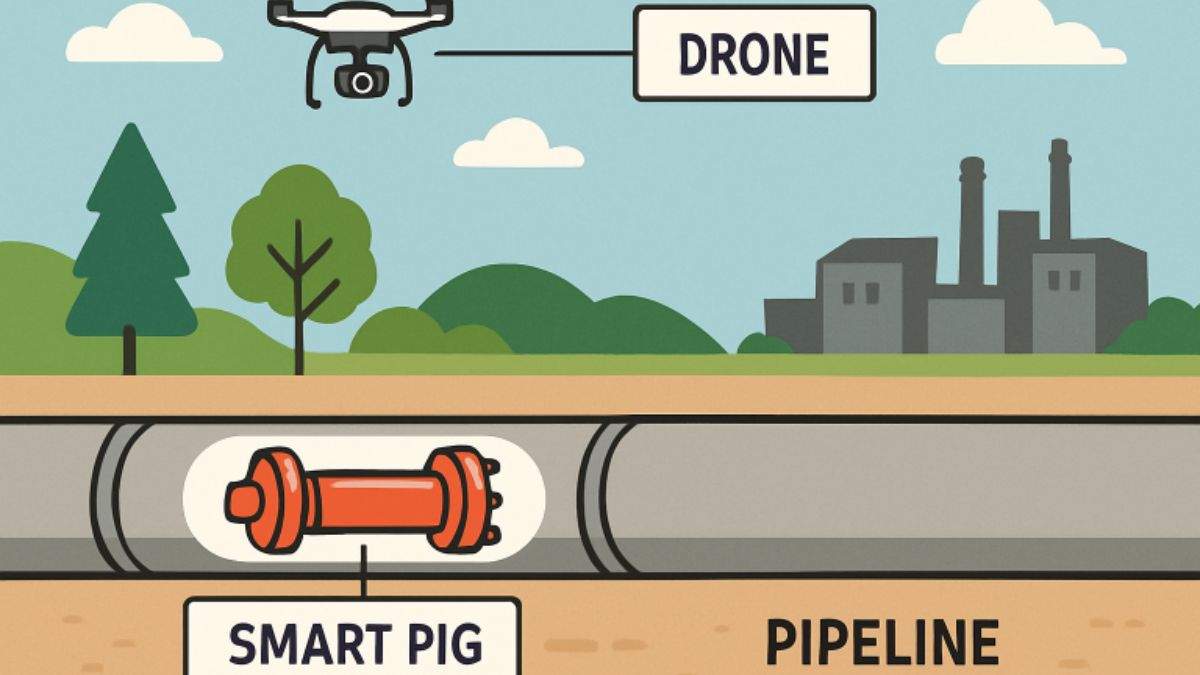
Modern pipeline networks are the arteries of industrial infrastructure, transporting vital resources across vast distances. Ensuring their safe and efficient function is paramount, but as systems age and demands grow more complex, traditional maintenance methods often struggle to keep pace. Today’s pipeline operators must embrace new technologies and proactive philosophies to protect their investments and the environments they traverse. Innovative maintenance now blends digital intelligence, automation, and sustainability. Techniques such as real-time monitoring and predictive analytics enable early threat detection, while robotics and enhanced training are redefining safety and workforce efficiency. This comprehensive approach not only minimizes operational downtime but also extends asset lifespan, reduces environmental impact, and keeps costs under control.
Proactive Maintenance Approaches
In contrast to reactive repairs, proactive maintenance employs regular inspections, targeted interventions, and advanced assessment tools to catch problems early. Modern utilities are adopting technologies that analyze pipe thickness, detect leaks, or pinpoint corrosion points before catastrophic failures occur. This paradigm shift means fewer emergency responses, lower repair costs, and reduced risk of service interruption. Alongside system inspections, adopting best practices for pipeline pigging operations helps operators efficiently remove build-up, inspect for internal defects, and preserve pipeline integrity. Pigging has evolved to include smart pigs equipped with sensors and data collection tools, further enhancing the operator’s ability to maintain pipes in optimal condition while adhering to strict safety and environmental regulations.
Advanced Monitoring Technologies
Smart monitoring lies at the heart of efficient pipeline upkeep. The implementation of IoT-enabled sensors and advanced telemetry enables real-time tracking of operational parameters, including flow rates, pressure, and temperature. These interconnected systems instantly alert operators to deviations that could signal leaks, blockages, or mechanical stress, enabling a swift, targeted response. Digitalization and smart tech have drastically reduced unplanned maintenance events, minimizing costly downtime and bolstering operational transparency across industries.
Robotics and Drones in Inspection
Robotic systems and aerial drones play an increasingly pivotal role in pipeline inspection and maintenance. Robots can traverse the interior of pipes, collecting high-resolution data on wall thickness, corrosion, and debris without requiring operators to shut down sections of the network. Meanwhile, drones equipped with advanced cameras and infrared sensors can survey hundreds of miles of pipeline routes within hours, efficiently and safely identifying external threats such as erosion, vegetation encroachment, or unauthorized activity.
Artificial Intelligence in Predictive Maintenance
Artificial intelligence (AI) and machine learning extract actionable insights from vast quantities of pipeline data. By recognizing anomaly patterns in sensor outputs or historical repair records, AI-driven systems can forecast failures with increasing accuracy. This predictive maintenance capability streamlines scheduling, reduces the risk of unplanned breakdowns, and optimizes use of manpower and resources. Leading operators report marked improvements in operational reliability and lower total cost of ownership by embracing these systems.
Sustainable Practices in Pipeline Maintenance
Increasing environmental scrutiny means that sustainability must be woven into every maintenance activity. Routine practices such as pigging now frequently use biodegradable cleaning agents, and trenchless repair methods (such as horizontal boring) drastically reduce land disturbance. Using recycled or environmentally friendly materials for reinforcements and repairs further demonstrates a commitment to stewardship. As highlighted by On the Pulse News in their coverage of pipeline maintenance practices, embracing eco-conscious strategies not only supports regulatory compliance but also reinforces public trust and enhances long-term operational viability.
Data-Driven Decision Making
The proliferation of digital tools has unlocked new potential for data-driven maintenance decision-making. By consolidating sensor data, historical trends, and maintenance logs, operators can prioritize interventions, allocate resources effectively, and justify investments to stakeholders. Predictive analytics models not only prevent breakdowns but also determine the most cost-efficient maintenance schedules and parts inventories. These insights empower operators to move beyond routine checklists to a dynamic, risk-based approach to asset management.
Training and Workforce Development
As technology advances, so too must the skills of those maintaining pipeline systems. Ongoing training ensures maintenance teams can safely manage robotics, interpret sensor data, and troubleshoot digital systems. Workforce programs increasingly stress cross-disciplinary skills—combining traditional mechanical know-how with digital fluency. This adaptability ensures that maintenance staff are well-prepared to implement the latest technologies and manage evolving risks effectively.
Future Trends in Pipeline Maintenance
The future of pipeline maintenance promises a marriage of AI-driven diagnostics, advanced self-healing materials, and integrated sustainability practices. Smart coatings capable of self-repairing minor abrasions or corrosion, autonomous inspections using machine learning, and the further expansion of data integration are on the horizon. Operators who adopt these trends will cultivate more resilient, cost-effective, and environmentally responsible networks that can meet energy and resource demands for decades to come.
Strategically combining technology, sustainability, and workforce development fosters a maintenance culture that prolongs asset life, enhances safety, and responsibly addresses modern infrastructure challenges. Staying ahead of the curve with these innovative strategies will ensure that pipelines remain robust, adaptable, and reliable for the long term.

Why Sound Matters More Than You Think
Sound silently drives our days in countless ways—lifting energy, calming nerves, or stirring memories in unique patterns. Whether it’s the energizing pulse of a morning playlist or the relaxing notes that linger while winding down, these musical choices do far more than fill silence. There’s an expanding recognition in musical circles, covered in indie hip hop news, that our listening is truly transforming personal wellness. As awareness spreads, music genres from across the spectrum are celebrated not just as entertainment but as powerful tools for daily balance and self-care. Researchers are digging into the mysteries behind how and why music impacts our states of mind so deeply. Studies highlighted by the National Institutes of Health unveil sound’s impressive reach across the brain, touching areas related to emotions, memories, motor control, and even the body’s reward systems. Far from minor background noise, music acts as a dynamic ingredient in day-to-day life. The right song can help sharpen focus at work, create comfort during stress, or provide a sense of nostalgia that links people to meaningful moments in their lives.
How Music and Frequencies Affect the Brain
The relationship between music and the brain is complex and profound. Neuroscientific research shows that favorite melodies and harmonies delight the senses and prompt the brain to release dopamine, a neurotransmitter associated with pleasure and motivation. This chemical response is why music can turn a bad day around or provide motivation when energy is lagging. Frequency plays an equally intriguing role. Binaural beats—a form of soundwave therapy, using two different frequencies in each ear—are currently being researched for their ability to boost concentration and induce relaxation or alertness. For example, listening to binaural beats at specific frequencies may help listeners achieve deeper focus during study sessions or a sense of calm before stressful events. Lower-frequency sounds are often paired with meditation and yoga practices to guide participants into relaxed, meditative states quickly. The flexibility and variety of sound frequencies give listeners a broad spectrum of options for tailored well-being.
Sound Therapy on the Rise: What Does the Evidence Say?
Therapists and wellness practitioners increasingly turn to sound as a non-invasive, accessible form of healing. Contemporary forms of sound therapy include the use of tuning forks, singing bowls, and rhythmic drumming, as well as vibroacoustic devices and tailored playlists. There’s growing recognition that sound-based wellness techniques can provide measurable improvements for sleep difficulties, chronic pain, and mental health challenges such as anxiety or depression. Hospitals and clinics are starting to blend these approaches into patient care. For example, many cancer centers and rehabilitation facilities are introducing music therapy to reduce treatment-related stress. Sound therapy’s benefits show up outside clinical contexts as well. Musicians and ordinary listeners report improvements in sleep quality, mood, and mindfulness after regular engagement with calming frequencies or intentional listening exercises. While additional evidence is still needed to standardize some applications, anecdotal stories and emerging studies together point toward a consistent conclusion—incorporating sound, mindfully, can make a real difference in daily quality of life.
Everyday Examples: Sound in Action
Sound’s subtle powers aren’t restricted to therapy rooms or scientific experiments—they influence countless daily routines, usually without conscious effort. Consider how cafes and coffee shops curate gentle background music to encourage relaxation and conversation, or how fitness studios blast high-tempo beats to ignite energy during a workout. Parents swap lullabies and gentle songs at home for playtime or bedtime. Each choice is intentional, chosen for pleasure and emotional impact. The right sound can be transformative for those who work or study from home. Many remote workers report using a mix of white noise, nature sounds, or lyric-free music to block distractions and stay productive. Students embrace “study playlists” or timer-based lo-fi tracks as tools for extended focus. Even city dwellers seeking peace might download apps to simulate rainstorms, ocean waves, or wind in the trees to mask urban sounds and reduce stress. Over time, thoughtful integration of music and sound into these everyday activities can cultivate lasting improvements in mood and outlook.
Tips for Personalizing Your Sound Environment
- Begin your day by curating music that matches your mood or task—a peppy playlist for a burst of energy or mellow instrumentals for a reflective morning.
- Switch to nature sounds or simple white noise during moments of overwhelm or distraction. These can serve as calming backdrops and support deeper focus or relaxation.
- If you are new to structured sound, explore guided meditations that feature calming frequencies or ambient soundscapes. These can help you quickly tune into states of mindfulness or rest.
- Keep a simple log of your favorite tracks or sound types and jot down how each made you feel during specific activities. Reviewing this journal allows for more intentional choices tailored to your best interests.
Dispelling Common Myths About Sound Wellness
Many newcomers to the world of sound wellness worry they may need expensive gear or have to prefer a narrow range of genres to see real benefits. The research says otherwise. Any type of music can be helpful, as long as the listener enjoys it and feels a positive response. For some, indie hip hop, jazz, or folk might be the genres that inspire motivation; for others, classical or nature-inspired sounds might be more effective. Free online playlists, basic speakers, or headphones are often all it takes to get started.
There’s also debate over the idea that only specific frequencies are “healing.” While some trends claim unique benefits from tones like 432 Hz or 528 Hz, the bigger picture shows that personal preference and engagement contribute most strongly to meaningful results. Experimentation with different sound styles and frequencies is encouraged, particularly as no single approach works equally well for everyone. The best outcomes come from curiosity and trial-and-error, finding the specific soundscape that matches individual needs.
The Future of Sound and Well-Being
With rapid technological advancements, creating customized sound experiences is easier than ever. Smart devices, noise-canceling headphones, and apps let users access an almost endless library of tracks and ambient sounds, often tailored to their mood or routine in real time. For example, certain apps now analyze heart rate or sleep cycles to recommend specific playlists or frequencies. The combination of neuroscience, digital platforms, and creativity promises fascinating new approaches to personal wellness.
As remote work grows and stress levels rise, expect more people to embrace the power of curated sound environments to maintain balance and well-being. From in-office relaxation zones to AI-generated music for mindfulness, the future holds countless opportunities to integrate sound into proactive self-care. The trend is clear: by intentionally designing their sound environments, people everywhere can boost productivity, relaxation, and emotional health.
Getting Started: A Simple Practice
- Select an everyday routine—like your commute, exercising, or enjoying morning coffee—and choose new music or background sounds to accompany it.
- Sample different genres, from instrumental and ambient to energetic indie hip hop or soothing natural soundscapes, to see how each influences your state of mind.
- Pause to reflect on your mood, energy, and concentration before and after. Gradually, tailor your playlist to suit your evolving preferences and needs.
A commitment to small, daily musical experiments can quietly shift the rhythm of your life, improving mood, supporting focus, and bringing joy. Every individual has a unique soundtrack—discovering and designing your own will unlock a powerful tool for greater well-being, creativity, and resilience.
-

 TOPIC1 year ago
Exploring Fappelo: The Rise of a Unique Online Community
-

 TECHNOLOGY1 year ago
Exploring the Impact of Shannon Swanick TPO on Modern Blogging
-

 CRYPTO1 year ago
Understanding the Landscape of Crypto30x.com regulation: What You Need to Know
-

 TOPIC1 year ago
The Art of Expression: Analyzing Puppygirlxd Most Iconic Creations
-

 HEALTH1 year ago
Top 5 Benefits of Using a Mansrufer for Your Daily Routine
-

 CRYPTO1 year ago
Exploring the Benefits of Using Biitland.com Stablecoins
-

 BUSINESS1 year ago
How Legal Insights Can Streamline Business Operations
-

 EDUCATION1 year ago
Navigating Blackboard UCMO: Tips and Tricks for Success